
AFM in Zimbabwe Moves Towards Standardised End-of-Term Examinations
By Nelson Geje
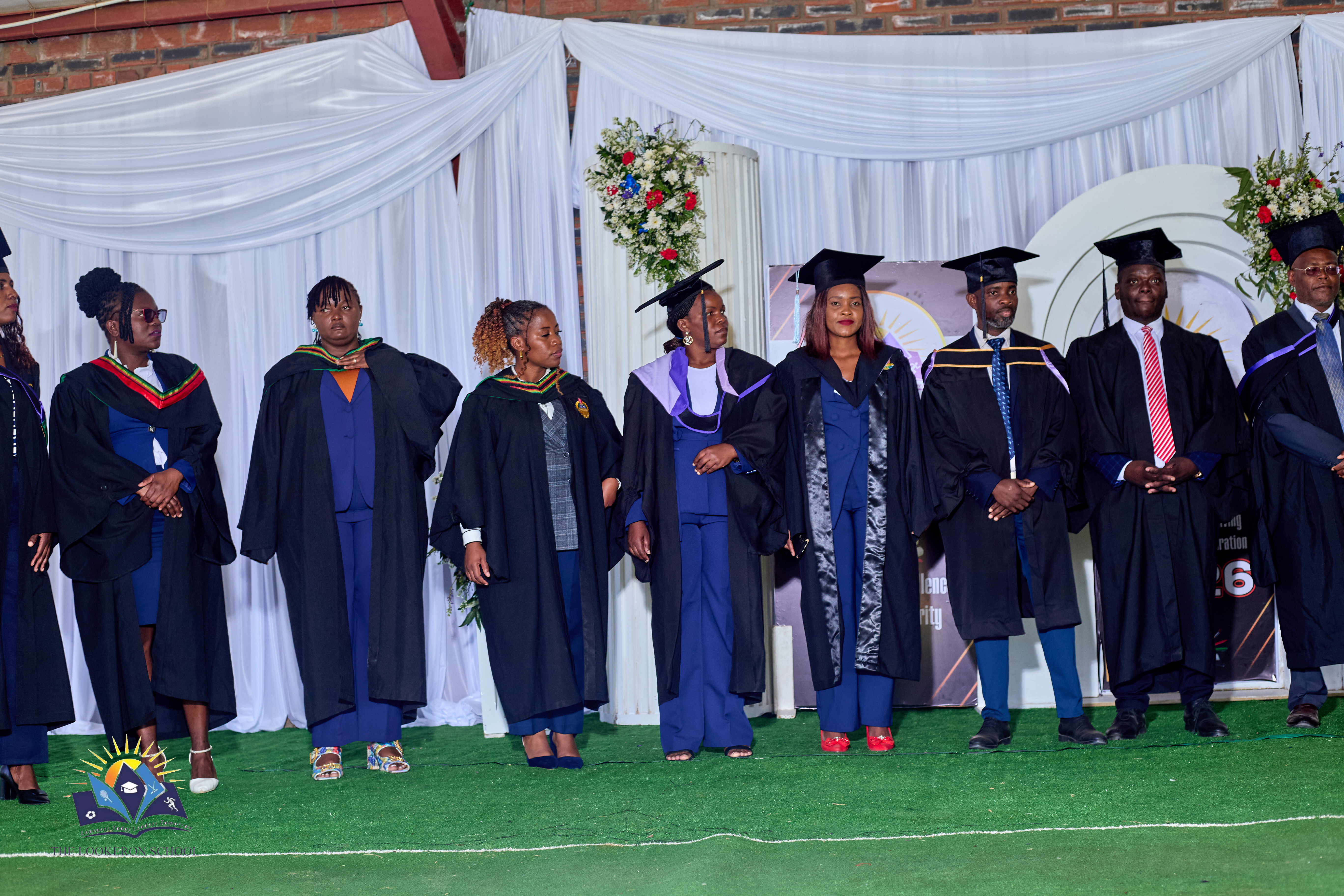
The AFM in Zimbabwe Education Department has taken a significant step towards strengthening academic standards across its learning institutions following a high-level annual Heads and Bursars Workshop held from May 22 to 23, 2026 at Living Waters Theological Seminary.
The workshop brought together school heads, bursars and education administrators from AFM primary and secondary schools across the country to deliberate on critical issues affecting the church’s education sector. Among the major highlights of the gathering was a presentation on the development and implementation of standardised mid-year end-of-term examinations, an initiative expected to transform assessment systems within AFM schools.
AFM in Zimbabwe currently runs 12 secondary schools, 10 primary schools, one vocational training college and a Bible college with 3 campuses spread across the country. Church leaders at the workshop indicated that the denomination is on an expansionist trajectory aimed at increasing the number of educational institutions while also transforming some existing schools into boarding schools in line with growing demand for quality Christian education.
Presenting the framework, Rufaro High School Headmaster Mr J. Shumbanhete outlined the rationale behind introducing a unified assessment model. He said the move seeks to eliminate fragmented school-specific testing systems and replace them with a data-driven and standardised examination structure that promotes fairness, consistency and academic excellence.
Mr Shumbanhete noted that standardisation would ensure that all learners, regardless of the location or size of their schools, write the same end-of-term examinations under similar conditions.
“The goal is to ensure that a Grade A obtained in one AFM school reflects the same level of mastery as a Grade A in another school,” he said.
He explained that the initiative would expose learners early to final examination conditions and question styles while also reducing teacher bias and variations in academic standards. The system is also expected to strengthen quality assurance mechanisms and maintain consistency across AFM educational institutions.
According to the presentation, the standardised examinations will further assist the Education Department in benchmarking the performance of schools while identifying learning gaps midway through the academic year. This, participants heard, would allow schools to implement targeted remedial interventions before final examinations.
The framework also seeks to ease the burden on individual teachers through the provision of centrally vetted and high-quality assessment tools.
Delegates were informed that the development phase of the examinations would involve a rigorous multi-step process engaging Subject Matter Experts (SMEs). This includes drafting examination papers and marking schemes followed by a vetting process conducted by panels of Heads of Departments to ensure clarity, fairness and alignment with the current curriculum.
The implementation roadmap presented during the workshop outlined several key stages. Printing, secure storage and distribution of examination papers are expected to be completed by mid-June 2026 under the supervision of Regional Administrators. Training workshops for invigilators and markers are scheduled for completion by the end of June, while the examinations themselves are expected to be administered simultaneously across all AFM schools by mid-July 2026.
The marking process will involve the use of standardised marking schemes and moderation systems where samples will be cross-checked by subject specialists and heads from various schools by July 28, 2026.
Participants also heard that the effectiveness of the programme would largely depend on post-examination data analysis. Schools will submit results to a centralised database for comparative reporting and performance tracking. Item analysis will also be conducted to identify problematic questions and curriculum areas where learners may be struggling.
The standardised reporting system is also expected to improve parental engagement by providing report cards showing how learners compare with AFM national and provincial averages.
Delegates at the workshop also acknowledged ongoing efforts by the Government to bridge the gap between urban and rural schools, particularly in the area of technological uniformity. Participants noted that improved access to technology and learning resources across schools would complement the implementation of standardised examinations and help create a more equitable learning environment for learners in both rural and urban communities.
AFM in Zimbabwe Education Director Dr Clever Gomba said the introduction of standardised end-of-term examinations would go a long way in improving both the internal and external validity of examinations across AFM schools.
Dr Gomba said the system would strengthen credibility, comparability and reliability of learner assessment results while enhancing academic competitiveness among schools under the church’s education department.
In his concluding remarks, Mr Shumbanhete described standardised examinations as “a diagnostic tool and not merely a grading exercise.”
“They provide the Global Positioning System (GPS) coordinates for the academic year, ensuring that no student or school is left off the map,” he said.
The proposal received overwhelming support from school heads who attended the workshop. Mrs Munyoro applauded the initiative, saying other learning institutions such as Anglican schools were already implementing similar systems, making it difficult for AFM schools to compete effectively without standardisation.
The workshop also featured presentations on other key areas affecting educational institutions. Dr Clever Gomba delivered a presentation on conflict resolution in educational institutions, emphasizing the importance of maintaining healthy working relationships and peaceful learning environments within schools.
AFM Education Accountant Mr Nelson Sadza also presented on financial accounting, reporting and compliance, encouraging school administrators to strengthen accountability and transparency in financial management.
The annual workshop is part of AFM in Zimbabwe’s broader efforts to enhance educational excellence, institutional accountability and holistic learner development within its schools nationwide.


0 Comments
Leave a Comment